Parks, free workouts, playgrounds, piers, mailboxes, shipping counters. No ads, no ranking games — just what's there, with its source.
Run & rideAlong the Missouri Riverfree
River's Edge Trail
Some 60 miles of paved and singletrack trail tracing the Missouri past every one of the five falls, Giant Springs and the interpretive center — the spine of the city's outdoors, on foot or by bike.
✓ River's Edge Trail Foundation
GreenmarketsCivic Center · Park Drfree
Great Falls Farmers Market
Saturday mornings (and Wednesdays midsummer) downtown by the Civic Center — Hi-Line produce, Hutterite-colony vegetables, honey and bread from June into September.
✓ Great Falls Farmers Market
Libraries301 2nd Ave Nfree
Great Falls Public Library
The downtown public library, recently rebuilt — books, computers, children's programs and meeting rooms, free to all.
✓ Great Falls Public Library
Parks4600 Giant Springs Rdfree
Giant Springs State Park
One of the largest freshwater springs in the country — 156 million gallons a day welling up cold and clear beside the Missouri, feeding a state fish hatchery and an 830-acre park of trails and wildlife. The city's great green room on the river.
✓ Montana State Parks · Wikipedia
ParksPark Dr & 1st Ave Nfree
Gibson Park
Paris Gibson's downtown park by the river — a lagoon with ducks and swans, a stone bridge, flower gardens and the bandshell, laid out in the founder's vision of a green industrial city.
✓ City of Great Falls
ParksRyan Dam Rd, NE of the cityfree
Ryan Island Park
Cross the footbridge below Ryan Dam to the island park set right at the lip of the Great Falls — the closest you can stand to the cataract the city is named for. Day use, seasonal.
✓ NorthWestern Energy · Visit Great Falls
ParksGiant Springs State Parkfree
The Roe River
Between Giant Springs and the Missouri runs the Roe — at about 201 feet, once listed by Guinness as the shortest river in the world. You can stand at its source and its mouth in the same glance.
✓ Wikipedia — Roe River
Post officesGreat Fallsfree
Great Falls Post Office (59405)
The south-side post office carries this edition's 59405.
✓ USPS
The culture layer§ 02
What's on the walls and in the halls — street art, landmarks, movie scenes, the museums and stages of the ledger — and the zips this one is twinned with, by decree and by geometry.
LandmarksBlack Eagle Damfree
Black Eagle Falls & Dam
The first of the five, at the north edge of town — and the site of the Black Eagle Dam of 1890, the first hydroelectric dam in Montana and the spark that made the Electric City and its copper smelter.
✓ Wikipedia — Black Eagle Dam
Landmarks1219 4th Ave Nfree
C.M. Russell Home & Studio
The log-cabin studio Charles M. Russell built in 1903 beside his house, where he painted the West for the rest of his life. A National Historic Landmark, at the heart of the C.M. Russell Museum complex.
✓ Historic Montana — National Historic Landmark
LandmarksFirst Peoples Buffalo Jump State Park, Ulmfree
First Peoples Buffalo Jump
Southwest of the city near Ulm, a mile-long sandstone cliff — the Ulm Pishkun — was one of the largest buffalo jumps in North America, used from roughly 900 to 1500 AD. For centuries, tribes drove bison herds over the edge here; the ground below still yields bone, arrowheads and stone tools. Now a state park with a visitor center.
✓ Montana FWP · Montana State Parks · Wikipedia
LandmarksSouth of the Missouri, Great Fallsfree
Great Falls Portage
The overland route the Corps of Discovery hauled its canoes and gear in the summer of 1805 to get around the five falls — 18 miles that took 31 grueling days, over prickly pear and through hailstorms. A National Historic Landmark on the plains south of the river.
✓ NPS — Great Falls Portage NHL
LandmarksSE Great Falls · 59405free
Malmstrom Air Force Base
Established 1941, on the southeast edge of the city (and this zip). Home of the 341st Missile Wing, which tends Minuteman III intercontinental missiles across some 23,000 square miles of Montana prairie — and the region's largest employer.
✓ Wikipedia — Malmstrom AFB
LandmarksRainbow Dam, River's Edge Trailfree
Rainbow Falls & Dam
The 44-foot falls that Lewis thought even lovelier than the great cataract, wrapped now in one of the city's hydro dams — a classic stop on the River's Edge Trail.
✓ Wikipedia · NorthWestern Energy
LandmarksBlack Eaglefree
The Big Stack (Anaconda smelter site)
Black Eagle's copper smelter rose on the cheap power of the falls; its 1908 chimney — the "Big Stack," 506 feet — was the tallest in the world when built. The smelter closed in 1980 and the stack came down in 1982, but it defined the skyline for three generations.
✓ Wikipedia · The History Museum
LandmarksRyan Dam · Ryan Island Parkfree
The Great Falls of the Missouri
The 87-foot cataract the city is named for — the largest of the five falls, at Ryan Dam northeast of town, reached by a footbridge to Ryan Island. Meriwether Lewis called the sight "the grandest" he had beheld; a dam crowns it now, but in high water it still roars.
✓ Wikipedia · NPS — Lewis & Clark
Museums, galleries & stages · from the business ledger
Museum400 13th St N
C.M. Russell Museum
Museum4201 Giant Springs Rd
Lewis & Clark Interpretive Center
Museum1400 1st Ave N
Paris Gibson Square Museum of Art
Jumelage · twinned across the globe
The official ledgerSister Cities International register
Great Falls' sister city — Sharya, Russia
Great Falls is formally twinned, through Sister Cities International, with Sharya — a railway town in Russia's Kostroma Oblast, out in the forests northeast of Moscow. Two railroad-built towns on the northern plains of their continents. (Closer to home, Great Falls keeps a quieter kinship with Fort Benton upriver, the old head of Missouri steamboat navigation.)
✓ Sister Cities International
Antipode
Kerguelen (Port-aux-Français)
French Southern & Antarctic Lands
47.49°S · 68.71°E
The Electric City's exact antipode falls in the Southern Indian Ocean, barely 200 km from the Kerguelen archipelago — the "Desolation Islands." No town, only the French base at Port-aux-Français: a few dozen wintering staff among glaciers, gale-force westerlies and king penguins. A hydroelectric city on the Missouri and a wind-hammered research station, exactly opposite on the globe.
Longitude mirror
Chinggis City (Öndörkhaan)
Khentii, Mongolia
47.49°N · 111.29°E
Same parallel, longitude flipped across Greenwich — and the point lands in the grasslands of Khentii Province in eastern Mongolia, the region remembered as the birthplace of Genghis Khan. The nearest city, Öndörkhaan — renamed Chinggis City in his honour — sits on the Kherlen River. Great Falls and the Mongol heartland share a latitude almost to the minute, two big-sky countries of river and plain.
Equator mirror
Point Nemo (nearest: Chile)
South Pacific Ocean
47.49°S · 111.29°W
Latitude mirrored below the equator, same meridian: the point drops into the South Pacific in the emptiest water on Earth, near Point Nemo — the oceanic pole of inaccessibility, farther from any land than anywhere on the planet. The nearest inhabited shore is more than 2,500 km east in Chile. The exact opposite, in the far southern ocean, of a prairie city built where the river falls.
The living ledger§ 03
The zip's other residents — the animals, plants and corals you can actually meet here, with where to find them and when they show up.
BirdsMissouri Riverspring–fall
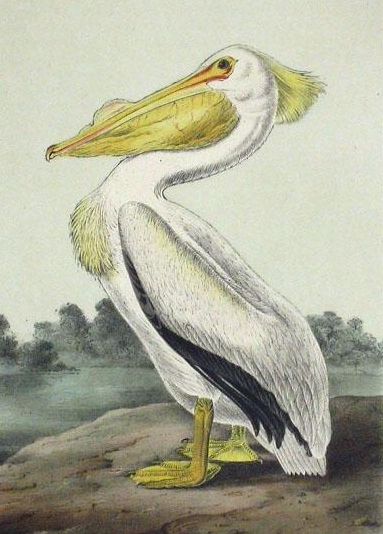
American white pelican · Pelecanus erythrorhynchos
Big white birds drifting and fishing in cooperative rings on the wide river below the falls — improbable on the northern plains, and unmistakable.
✓ Montana FWP
BirdsMissouri River corridorresident
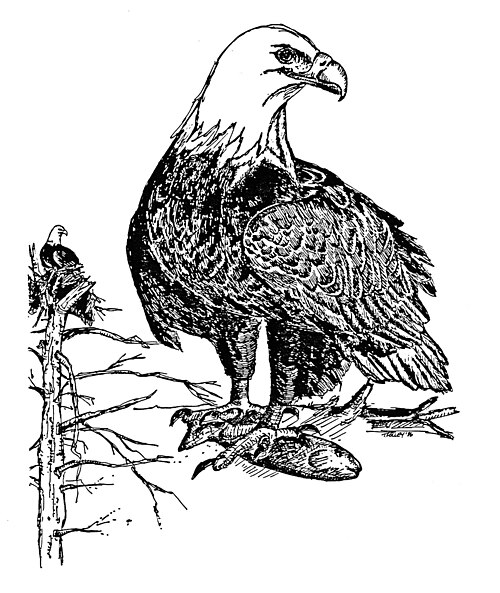
Bald eagle · Haliaeetus leucocephalus
Fishing the open tailwater and nesting in the cottonwoods along the River's Edge Trail — a common and cherished sight over the falls.
✓ Montana FWP
BirdsGiant Springs & riverspring–fall
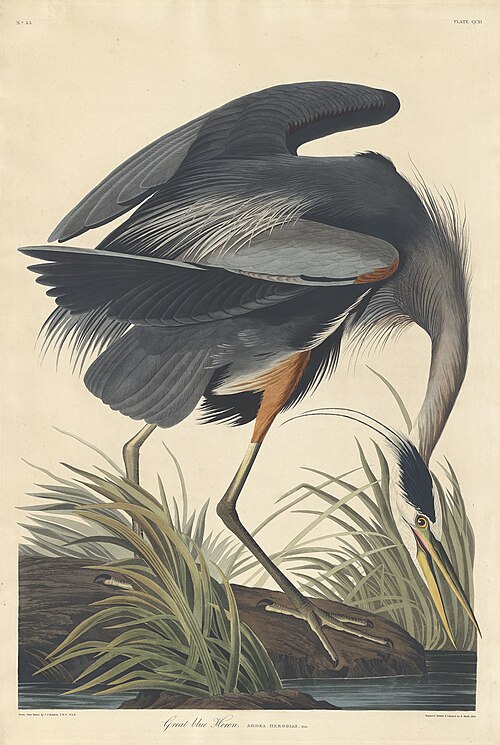
Great blue heron · Ardea herodias
The tall grey wader of the springs and river shallows, statue-still over the clear water of the Roe.
✓ Montana FWP
BirdsMissouri Riverspring–fall
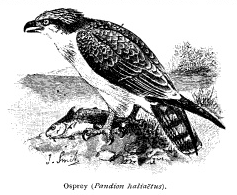
Osprey · Pandion haliaetus
The fish hawk of summer, hovering then plunging into the river; nest platforms rise on poles along the trail.
✓ Montana FWP
BirdsRiver breaks & prairieresident
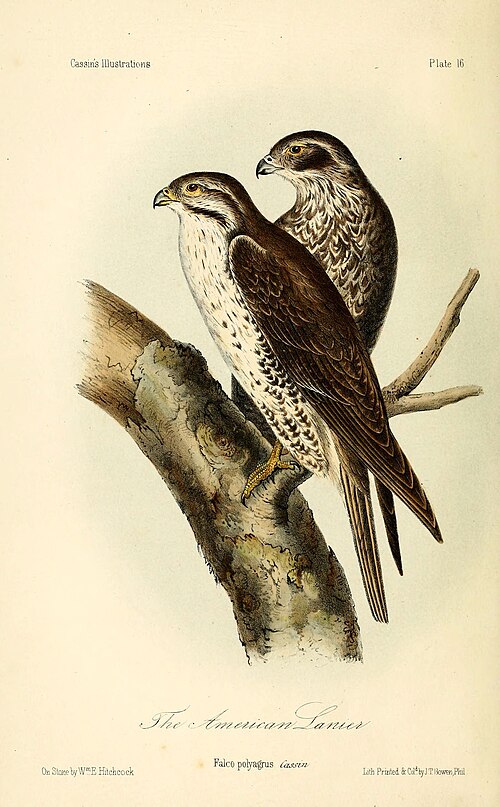
Prairie falcon · Falco mexicanus
The pale desert falcon of the river breaks and rimrock, hunting ground squirrels and horned larks across the benchland.
✓ Montana FWP
BirdsNative grasslanddancing in spring
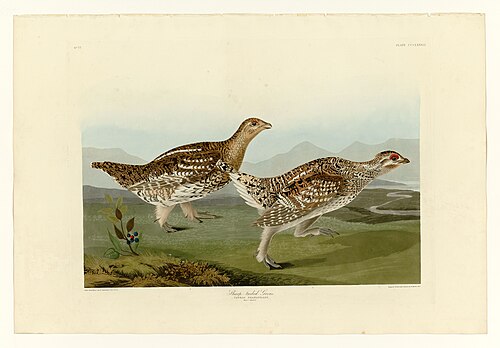
Sharp-tailed grouse · Tympanuchus phasianellus
The native prairie grouse, gathering at dawn on communal "leks" each spring to stamp and dance — the grassland's oldest ritual, still danced around Great Falls.
✓ Montana FWP
BirdsPrairie & grasslandsinging spring–summer
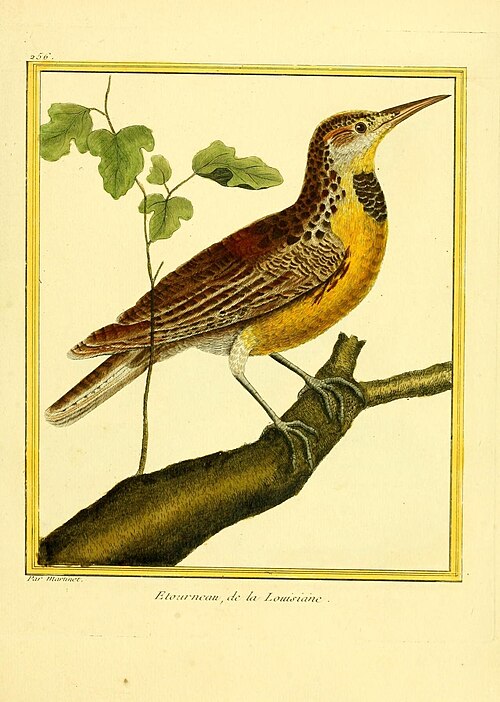
Western meadowlark · Sturnella neglecta
Montana's state bird — yellow-breasted, black-bibbed, and the flutey song that IS the sound of the northern prairie in spring, from every fencepost around the city.
✓ Montana FWP · Montana Audubon
MammalsMissouri side channelspresent
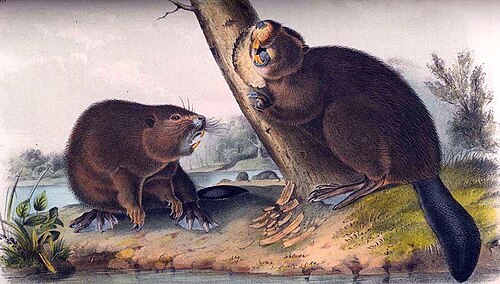
Beaver · Castor canadensis
Working the side channels and the cottonwood banks of the Missouri, as they did when the Corps of Discovery counted them by the hundred.
✓ Montana FWP
MammalsPrairie & river edgescommon
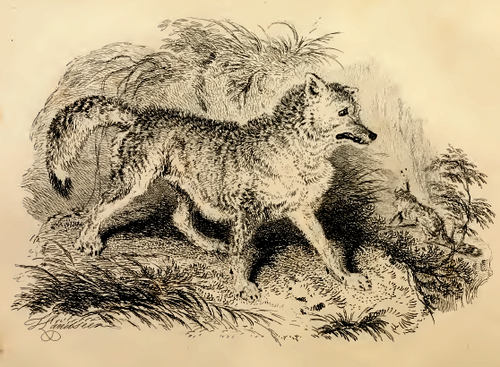
Coyote · Canis latrans
The prairie's song at dusk, trotting the field edges and the river bench on the city's fringe.
✓ Montana FWP
MammalsGiant Springs SP & breakscommon
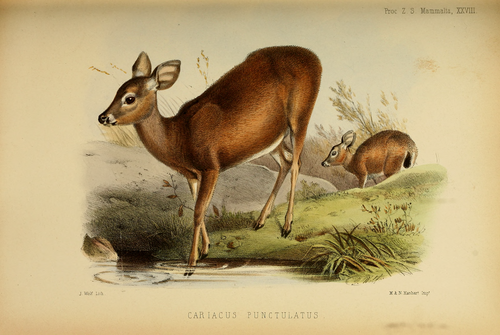
Mule deer · Odocoileus hemionus
Big-eared and bounding through Giant Springs park and along the coulees — the deer of the open country around the city.
✓ Montana State Parks
MammalsOpen prairie & benchlandcommon
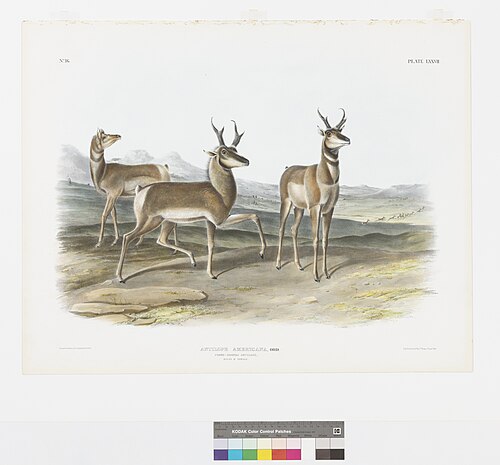
Pronghorn · Antilocapra americana
The "speed goat" of the open plains — the fastest land animal in the Americas, built to outrun a predator that's been extinct for ten thousand years. Bands of them dot the benchland beyond the city.
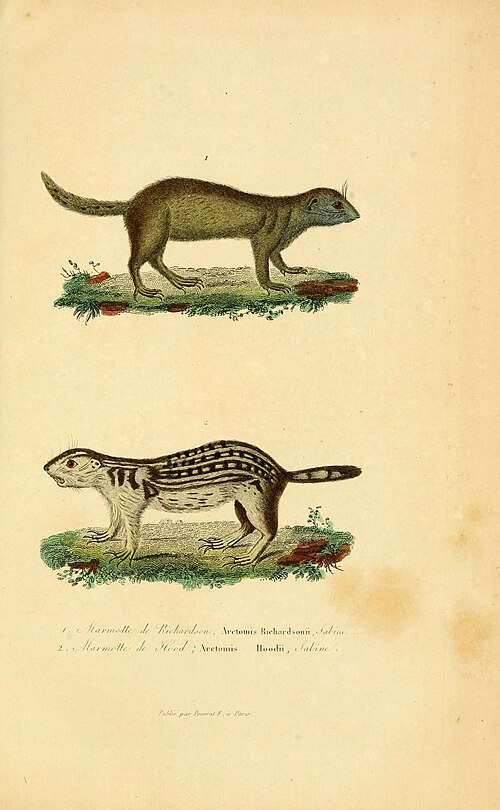
The "gopher" of the Montana prairie, standing sentinel at its burrow across the benchlands — the base of the food chain the falcons and coyotes hunt.
✓ Montana FWP
Marine lifeMissouri Rivercommon
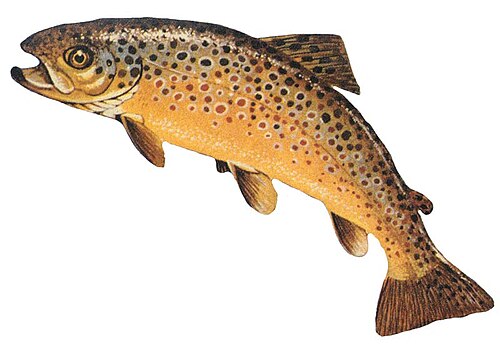
Brown trout · Salmo trutta
The wary big fish of the tailwater, feeding hard on late-summer hoppers along the grassy banks.
✓ Montana FWP
Marine lifeMissouri Rivernative
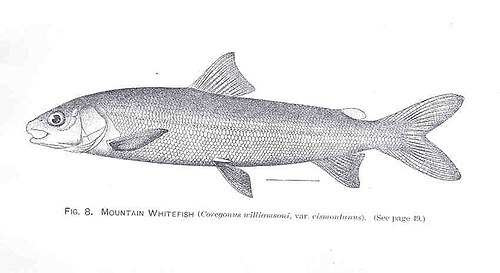
Mountain whitefish · Prosopium williamsoni
A native of the river, schooling in the riffles — often the first fish a winter angler finds through the cold months.
✓ Montana FWP
Marine lifeMissouri Riverendangered
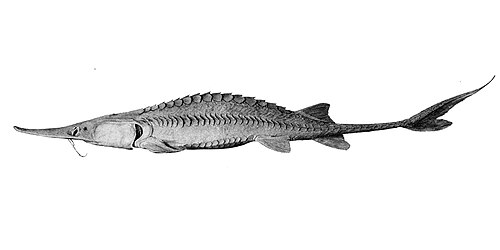
Pallid sturgeon · Scaphirhynchus albus
The ghost of the Missouri — a pale, ancient, federally endangered sturgeon that can outlive a person, hanging on in the river the dams reshaped.
✓ USFWS · Montana FWP
Marine lifeMissouri River tailwaterabundant
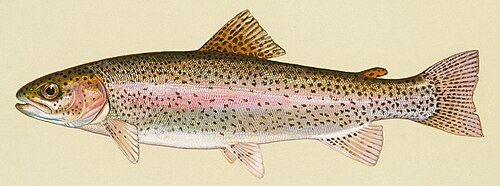
Rainbow trout · Oncorhynchus mykiss
The Missouri below the dams is a blue-ribbon trout river; rainbows hold in the cold, even flow, and Giant Springs' hatchery has raised them here for over a century.
✓ Montana FWP
Marine lifeMissouri Rivernative
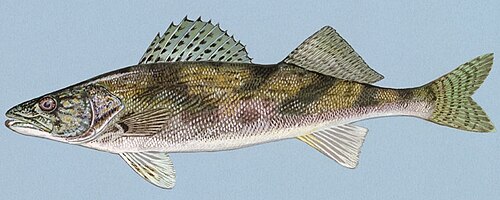
Sauger · Sander canadensis
The walleye's smaller native cousin, at home in the big turbid prairie river — a Missouri fish long before the dams.
✓ Montana FWP
Marine lifeMissouri Rivernative
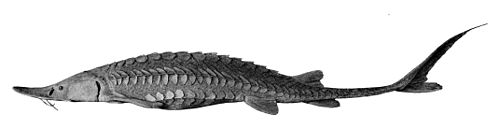
Shovelnose sturgeon · Scaphirhynchus platorynchus
A living relic of the plains river, armored and bottom-feeding — the small sturgeon of the Missouri.
✓ Montana FWP
PlantsBenchland & prairiedominant
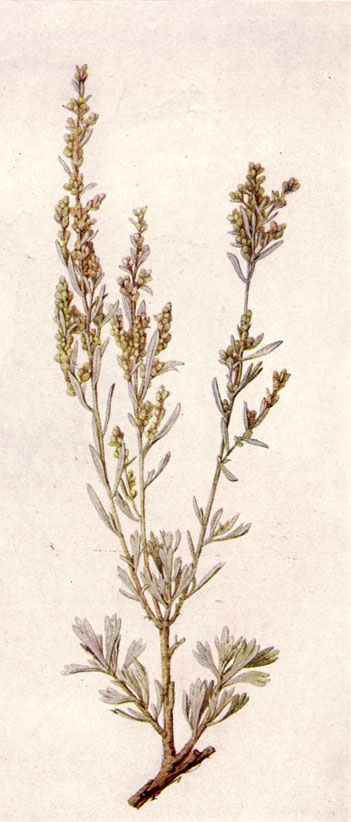
Big sagebrush · Artemisia tridentata
The silver-grey, sharp-scented shrub that is the smell of the dry Montana plains after rain, covering the benches beyond the river.
✓ Montana Natural Heritage Program
PlantsPrairie & roadsidesblooms June–August
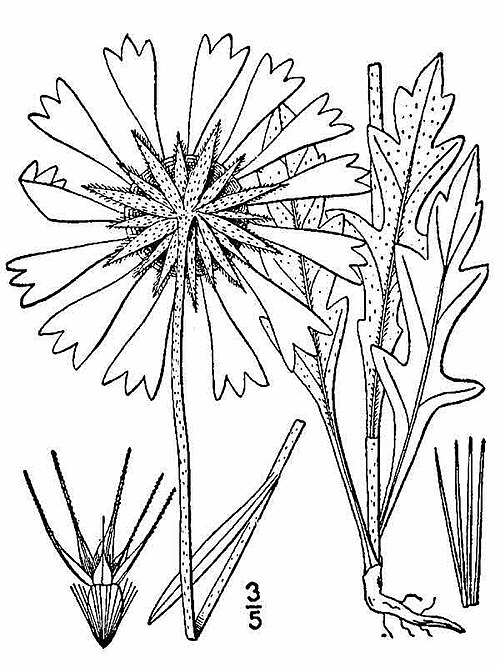
Blanketflower · Gaillardia aristata
The red-and-gold prairie daisy that sheets the roadsides and grassland of high summer — the wildflower of the Montana plains.
✓ Montana Natural Heritage Program
PlantsNative prairienative
Bluebunch wheatgrass · Pseudoroegneria spicata
Montana's state grass — the tough native bunchgrass that fed the bison herds and still holds the prairie soil around Great Falls.
✓ Montana Natural Heritage Program
PlantsDry benches & breaksblooms June
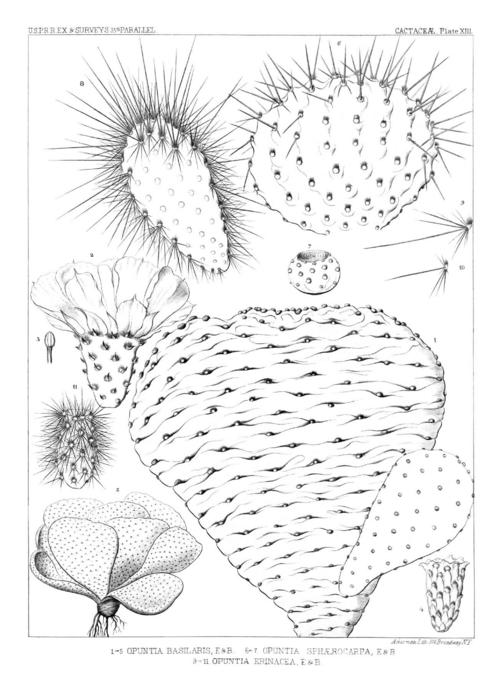
Plains prickly pear · Opuntia polyacantha
The low spined cactus of the dry benches — beautiful in yellow bloom, and infamous in the expedition's journals, whose spines pierced the men's moccasins all through the portage.
✓ Montana Natural Heritage Program · L&C journals
TreesMissouri River bottomscotton in June
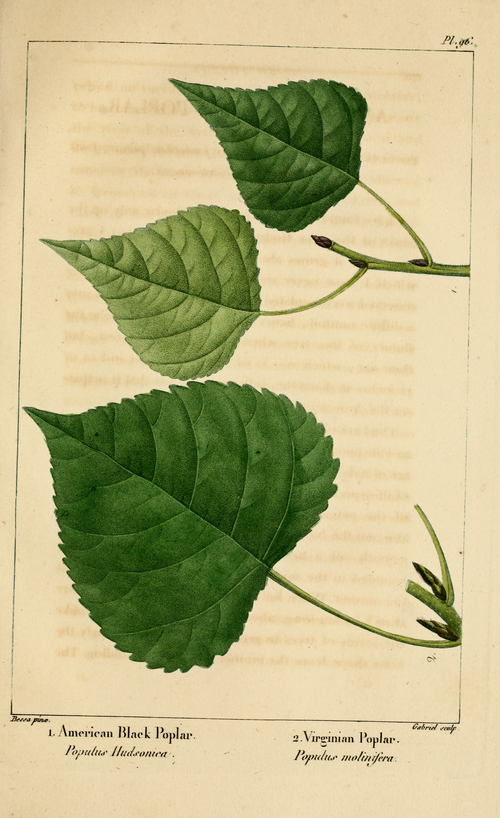
Plains cottonwood · Populus deltoides ssp. monilifera
The great gallery tree of the Missouri bottoms — shade, nest and landmark on a treeless plain, and the wood the expedition cut for its portage wagon wheels.
✓ Montana FWP
Mobility§ 04
Every way in, out and across the zip — the trains and where they're headed, the buses, the bike docks, a cab when you need one, and what to do with a car.
BusesDowntown transfer center
Great Falls Transit
The city bus system, hubbed downtown on 1st Avenue South — fixed routes across Great Falls, weekdays and Saturdays.
✓ Great Falls Transit District
AirportSW Great Falls · 59405
Great Falls International Airport
The city's airport, on the bench southwest of downtown (and in this zip) — daily jets to Denver, Salt Lake, Minneapolis and beyond.
✓ Great Falls International Airport
Under the block§ 05
The block from below and at the corner — the traffic signals that time the street, and the manholes, drains and subway mouths that open onto everything running beneath it. Counted from OpenStreetMap; the parts no city publishes are named, not guessed.
🚦 Traffic signals
No traffic signals ledgered yet — they come in from OpenStreetMap on the next sync.
⌾ Under the street
Nothing ledgered under the street yet — manholes, drains and subway access arrive on the next OpenStreetMap sync.
Eat & drink§ 06
Every café, restaurant, bar and counter on the ledger — typed and faceted straight from the knowledge layer.
Cuisines of the worldThe Americas
CafésDowntown Great Falls
Al Banco Coffee
Coffee
CafésGreat Falls
Crooked Tree Coffee & Neat Stuff
Coffee
BarsDowntown, Central Ave district
Enbär Craft Cocktail Lounge
Cocktail lounge
Restaurants713 1st Ave N
Howard's Pizza
Pizza
Bars · Restaurants412 Central Ave
Mighty Mo Brewing Co.
Brewery
Bars17 7th St S (O'Haire Motor Inn)
Sip 'n Dip Lounge
Tiki lounge
Restaurants613 15th St N
The Roadhouse Diner
Burgers
Restaurants · Cafés315 Central Ave
Tracy's Family Restaurant
Diner
The economy of 59405§ 07
The zip's flagships, staples and indies, the brands they carry, and the shared product vocabulary underneath — the graph an integrated zip-POS would settle against. 0 retailers · 0 brands tracked.
No retailers ledgered yet — run the seed.
Carriers on the ledger · brand graph synced from Notion
No ledgered carriers yet — run the sync.
Product-type master library · tap a group to shortlist brands
Who's here§ 08
The block's human makeup — the cohorts, the day-vs-night swell, the mix of who shows up. Set a lens up top and you'll see yourself among the neighbours.
60.4k
residents
~75k
here by day
39
median age
Live here vs. here for the day
Live here 81%Come in for the day 19%
About 14.6k more people are here by day than sleep here.
Source: U.S. Census 2020 — 60,442 residents citywide (Great Falls). Daytime figure rises with Malmstrom AFB, the hospitals and downtown; median age approximate — to verify. 59405 is the south/southeast share of the city.
Who governs§ 09
Every seat that holds power over the block, from the community board to the president. The template ships the seats; each edition fills the names from a dated source — an open seat means not yet sourced, never guessed.
0/15 seats sourced
On the block
Community Boardseat open · to be sourced
Business Improvement Districtseat open · to be sourced
City Council Memberseat open · to be sourced
The city
Mayorseat open · to be sourced
Public Advocateseat open · to be sourced
Comptrollerseat open · to be sourced
Borough Presidentseat open · to be sourced
District Attorneyseat open · to be sourced
The state
Governorseat open · to be sourced
State Senatorseat open · to be sourced
State Assembly Memberseat open · to be sourced
The nation
U.S. Representativeseat open · to be sourced
U.S. Senator (senior)seat open · to be sourced
U.S. Senator (junior)seat open · to be sourced
Presidentseat open · to be sourced
Under watch§ 10
The police surveillance technology documented over this block — plate readers, cameras, drones, face recognition and the rooms that pool them. Counted from the Atlas of Surveillance; a category with none documented is marked as such, never guessed, because absence of a record is not proof a tool isn't in use.
0 systems documented · 0/12 watch categories
FRFace recognitionnone documented
Software that matches faces from cameras or photos against a database to put a name to a person — often without their knowledge or consent.
none documented in Great Falls
ALPRLicense plate readersnone documented
Cameras that photograph every passing plate and log where and when it was seen, building a searchable map of a car's movements over months or years.
none documented in Great Falls
CSSCell-site simulatorsnone documented
“Stingray” devices that impersonate a cell tower so nearby phones connect to them, revealing the location and identity of every handset in range.
none documented in Great Falls
PPPredictive policingnone documented
Algorithms that forecast where crime will happen or who is likely to be involved, directing patrols and scrutiny toward people and blocks by statistics.
none documented in Great Falls
UASDronesnone documented
Unmanned aircraft used for aerial surveillance, crowd monitoring and, increasingly, as first responders dispatched to calls with cameras rolling.
none documented in Great Falls
GSDGunshot detectionnone documented
Networks of always-on microphones on streetlights and buildings that listen for gunfire — and can capture voices — then send police to the sound.
none documented in Great Falls
VAVideo analyticsnone documented
AI layered onto camera feeds to automatically flag people, objects or behaviour, and to search hours of footage for a shirt colour, a bag, a face.
none documented in Great Falls
REGCamera registrynone documented
A roster of private security cameras — doorbells, shops, homes — that residents register or connect, letting police pull footage from across the block.
none documented in Great Falls
BWCBody-worn camerasnone documented
Cameras worn by officers. A record of encounters that can protect the public — but also a mobile, searchable feed whose footage the department controls.
none documented in Great Falls
TPIInvestigative data platformsnone documented
Commercial services that pool phone, location, social-media and public records into one search, letting police buy access to data they'd need a warrant to collect.
none documented in Great Falls
RTCCReal-time crime centernone documented
A control room fusing live camera, plate, gunshot and phone feeds onto one wall — the hub that turns scattered sensors into continuous watching.
none documented in Great Falls
FCFusion centernone documented
A state or regional office where local, state and federal agencies share intelligence — pooling records on people across jurisdictions with little public oversight.
none documented in Great Falls
Sourced from Atlas of Surveillance · EFF & UNR Reynolds School of Journalism · atlasofsurveillance.org ↗
A record here means a documented deployment — its absence is not proof a technology isn't in use, only that it hasn't been sourced yet.
Yeah·borhood
Proof, not ads · 59405 pilot · 0 doors waiting for their next story